
A Tribute To The Moiré Effect
A powerful phenomenon to love and hate

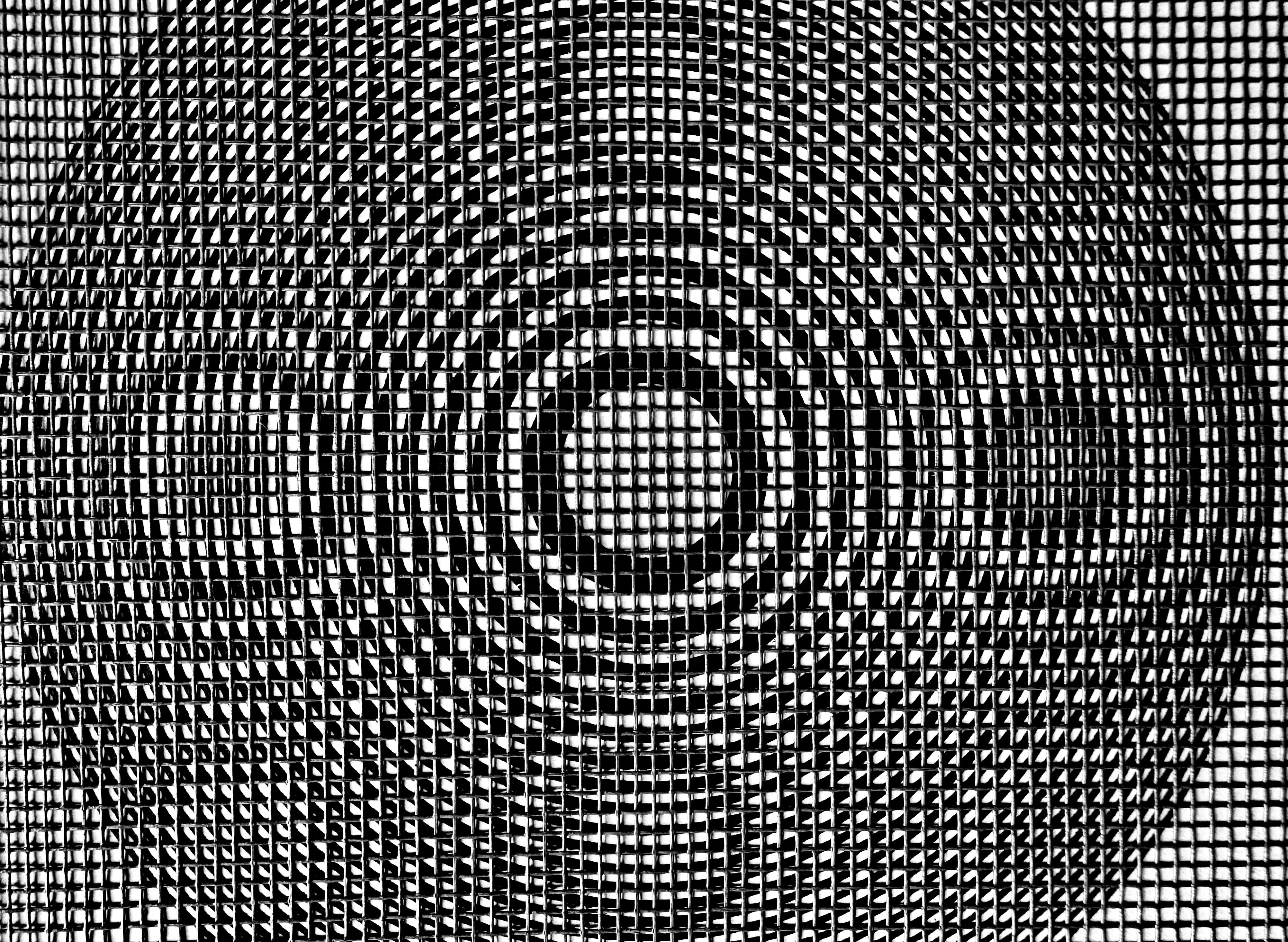
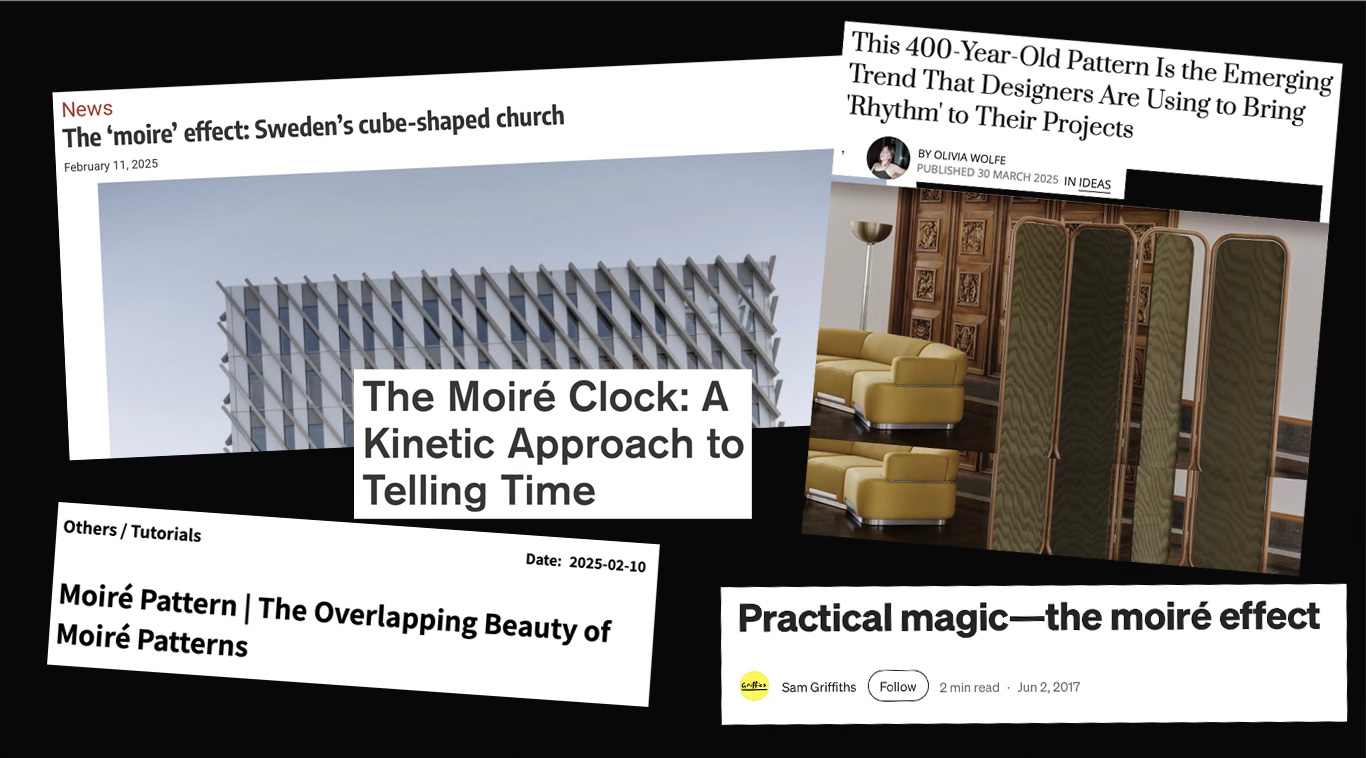
Have you ever seen a pattern suddenly appear? Perhaps you have seen it along a roadway when driving by railings or fences, or in a mesh or silk fabric, or on a photograph of a computer screen. This phenomenon is called the moiré effect. If you are a graphic designer, printer, or other media professional, you may know about it as something to avoid.
The moiré effect happens when two similar patterns overlay, creating a third pattern that seems to appear out of nowhere. What causes this to happen? The patterns are similar, and as they move, they shift between aligning and misaligning with each other, creating what is called an “interference pattern”. Aligning creates dark areas, and misaligning creates lighter areas, forming a new pattern that is larger than the original.
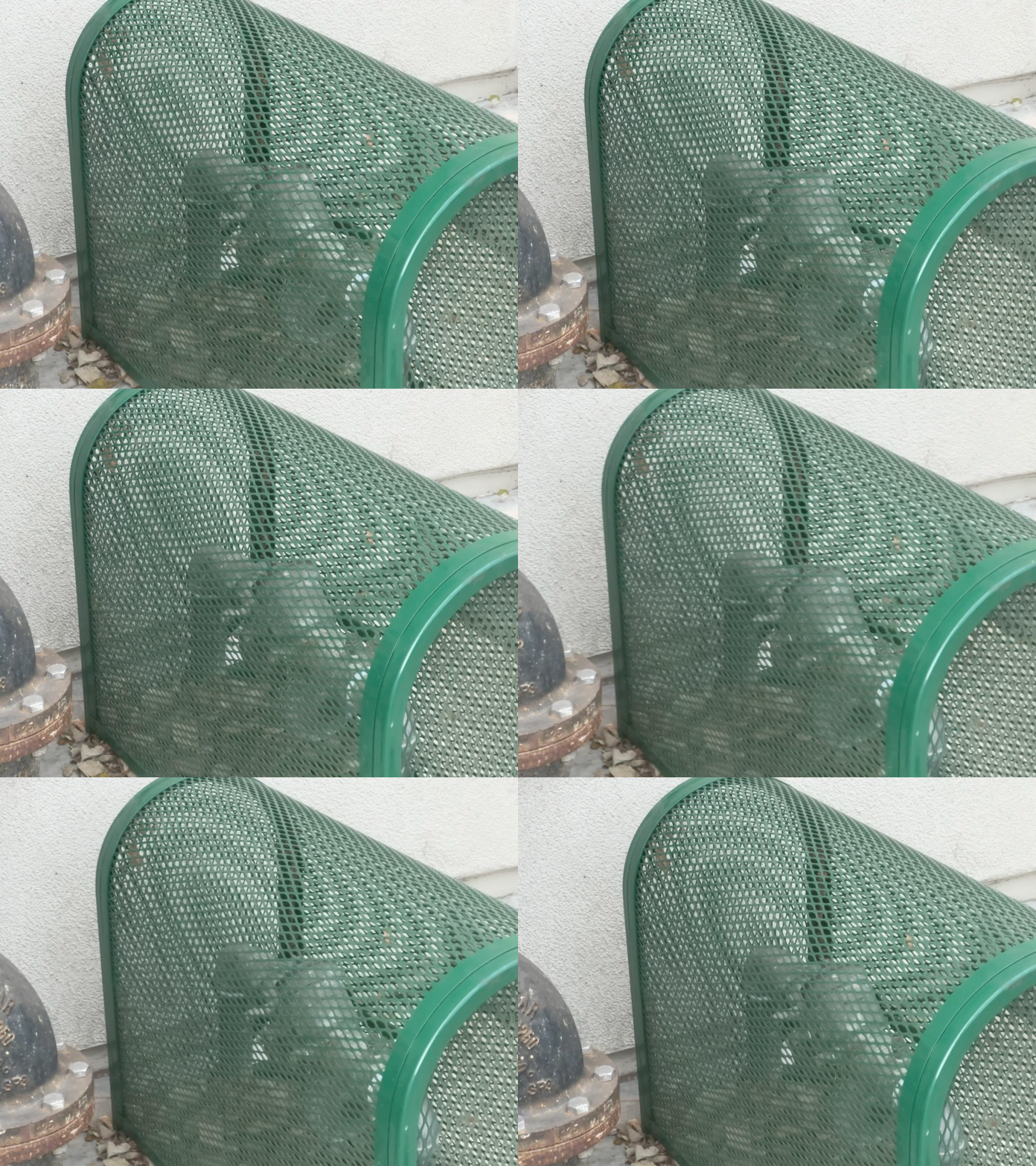
It can happen when physical objects move in front of each other, like a closing gate with vertical bars, or when mesh moves in front of mesh.
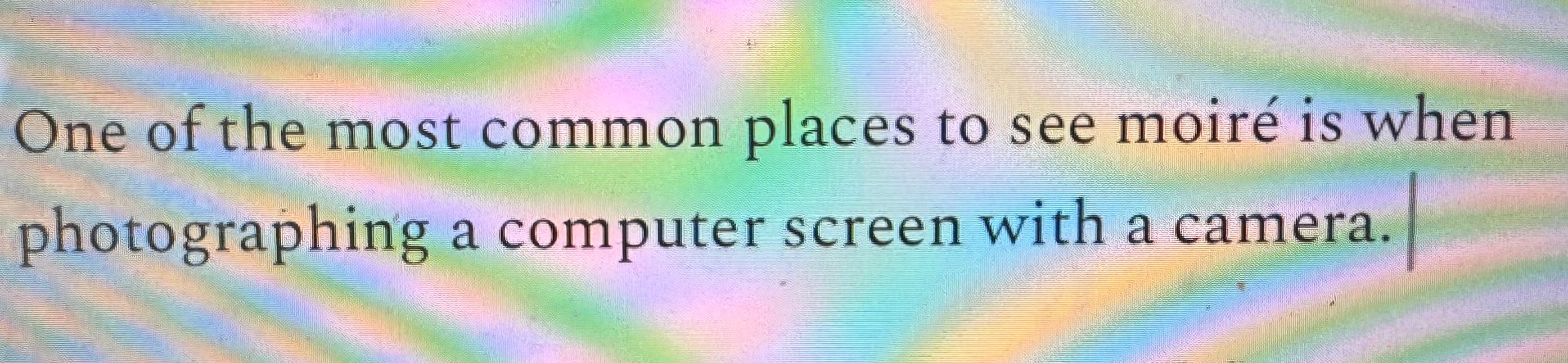
It can happen when one of the patterns is introduced by a camera or screen, like when you photograph a computer monitor and wavy lines appear, or when a pinstripe shirt creates a pattern when shown on a television.
The people who know it as something to avoid are looking to stop a distracting, unwanted pattern from spontaneously showing up on their images.
Appreciators of moiré are often in the arts, lovers of optical illusions, or interested in the connection between the brain and the eye.
My interest in the moiré effect began two years ago. It was January, and in an effort to get out of the house and set the new year on a slightly different trajectory, Brian and I traveled to bookstores around the San Francisco area. At Moe’s Books in Berkeley, Brian had spotted a book on moiré and took me back to the store to see it.
The publication “The Science of Moiré Patterns” by Gerald Oster, was a 1968 edition of a booklet published in 1964. It was in the used section, and the bookseller had penciled in “Cool” under the $10 price tag in the upper right hand corner of the title page. Inside was a loose sheet of fiberglass screen with a fine square mesh.
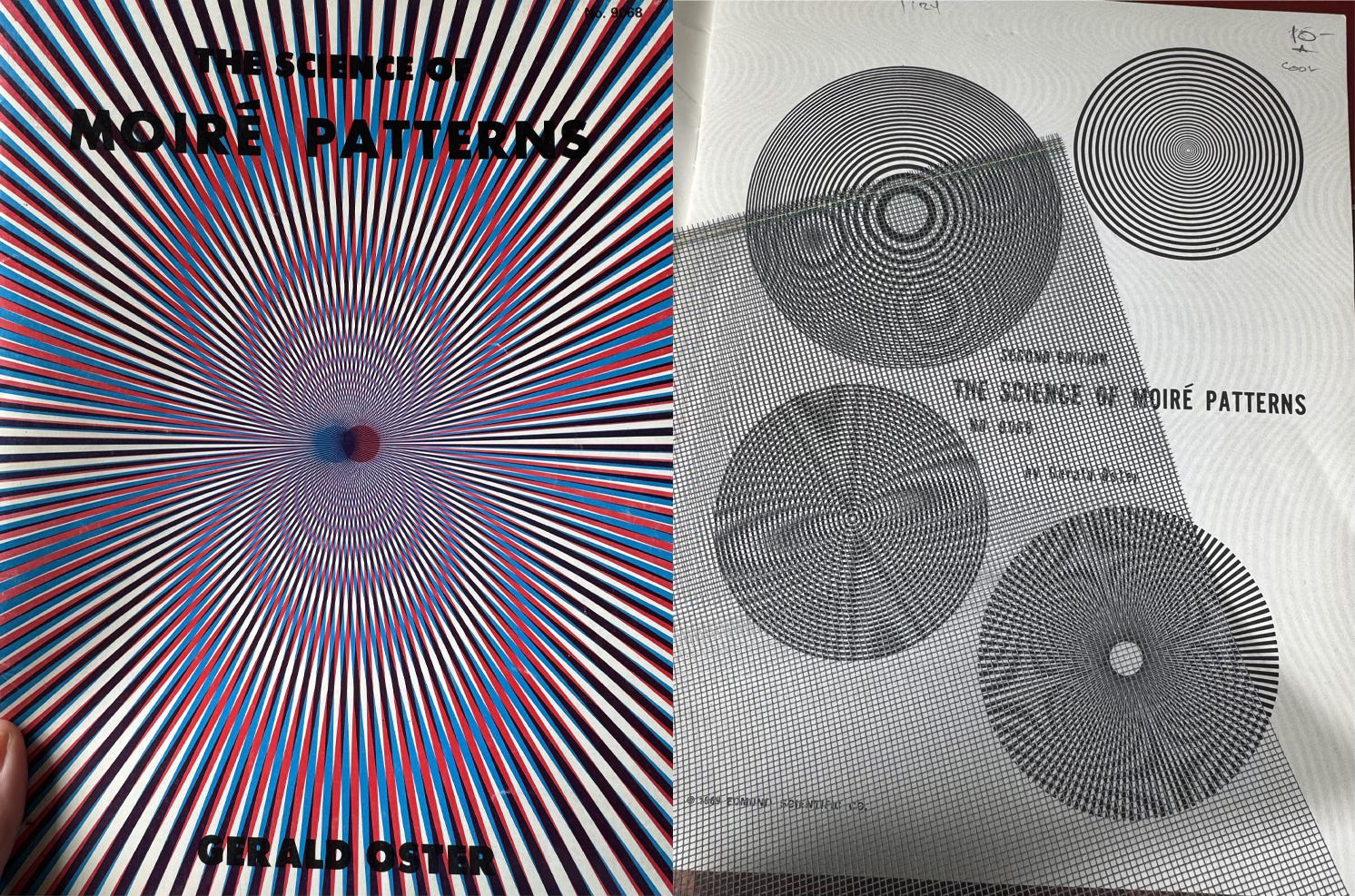
Printed in the book were numerous patterns to be explored by moving the screen across the pages, creating moiré effects. Gerald Oster was both a pioneer in the science of moiré and an artist who exhibited his moiré patterns at the Museum of Modern Art.
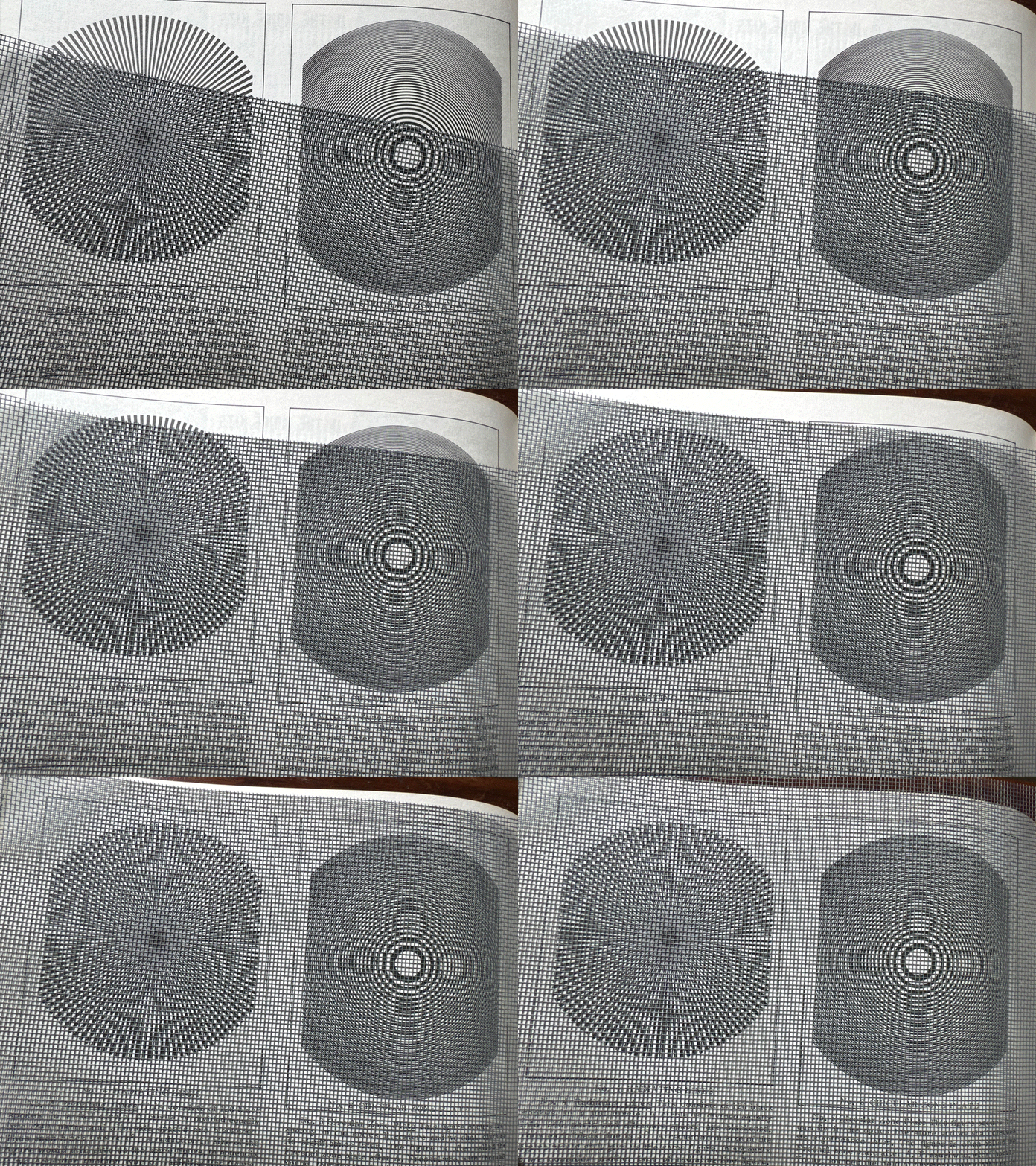
The included screen looks like an ordinary window screen, but on page 11, Oster notes that the screen is a mesh of squares, and that “incidentally, most insect screens have rectangular rather than square elements”.
The patterns to be used with the screen, and a section on moiré in everyday life, resemble a typical book on optical illusions. But its detailed sections on moiré with respect to a variety of disciplines: geometry, algebra, physics, psychology, and materials engineering, speak to the mysteries as well as the power of moiré.
To name just a few applications described in the book, moiré can be used to make incredibly precise measurements, demonstrate mathematical concepts, analyze holograms, and discern unconscious eye movement.
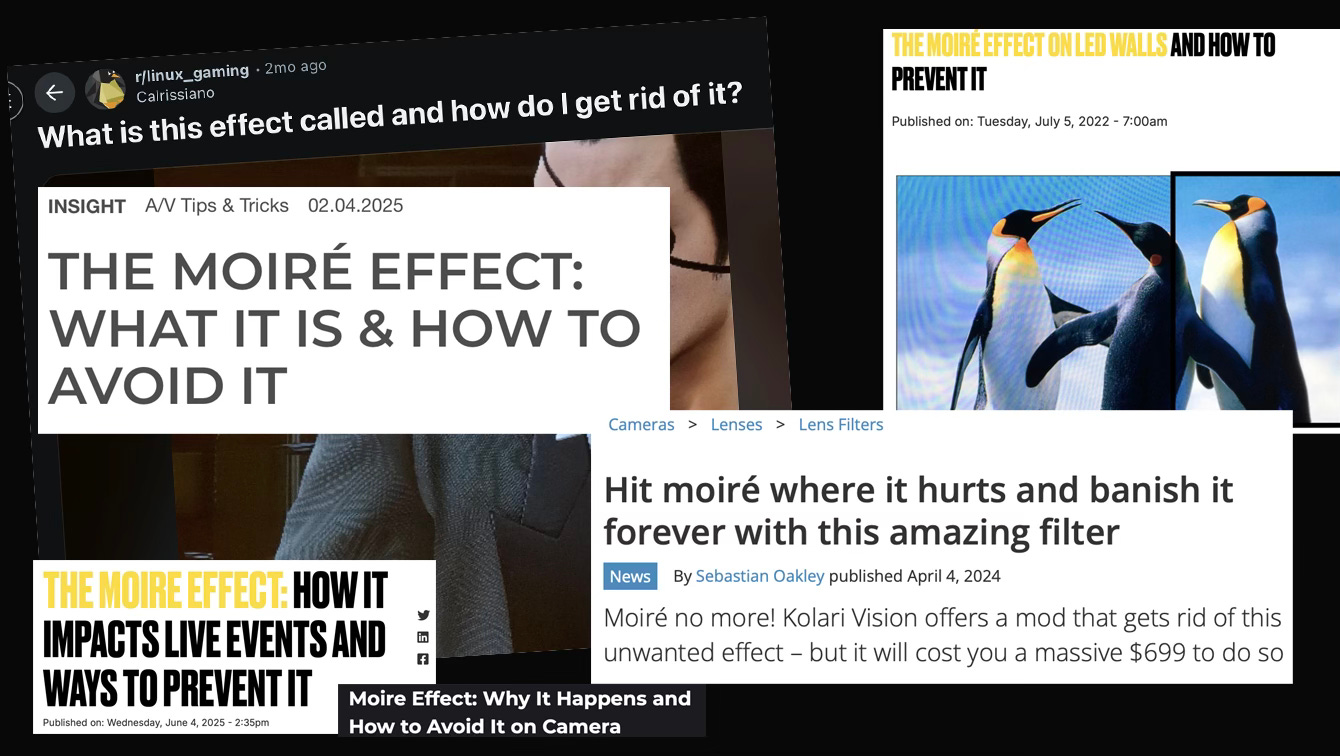
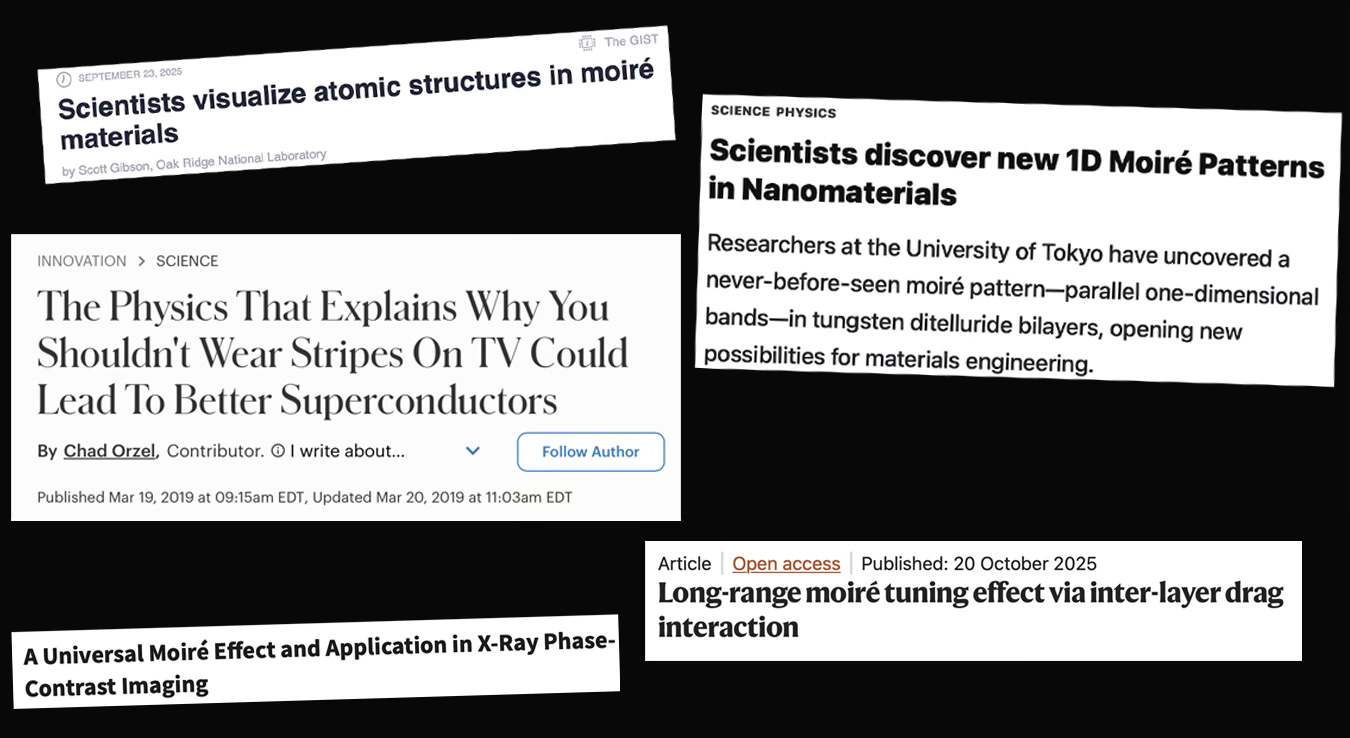
This mysterious power, this potential, suggested by this sixty-year-old book are echoed in more recent moiré headlines that reflect highly technical usage:
The moiré effect happens in daily life all the time, and Oster’s book inspired me to notice it. Because motion is such an important part of the effect, a good place to see it is out the window of a car or train, or, at closer range, while walking. Fences, tree trunks, anywhere where vertical lines eclipse other vertical lines, or a mesh grid moves in front of another mesh grid.
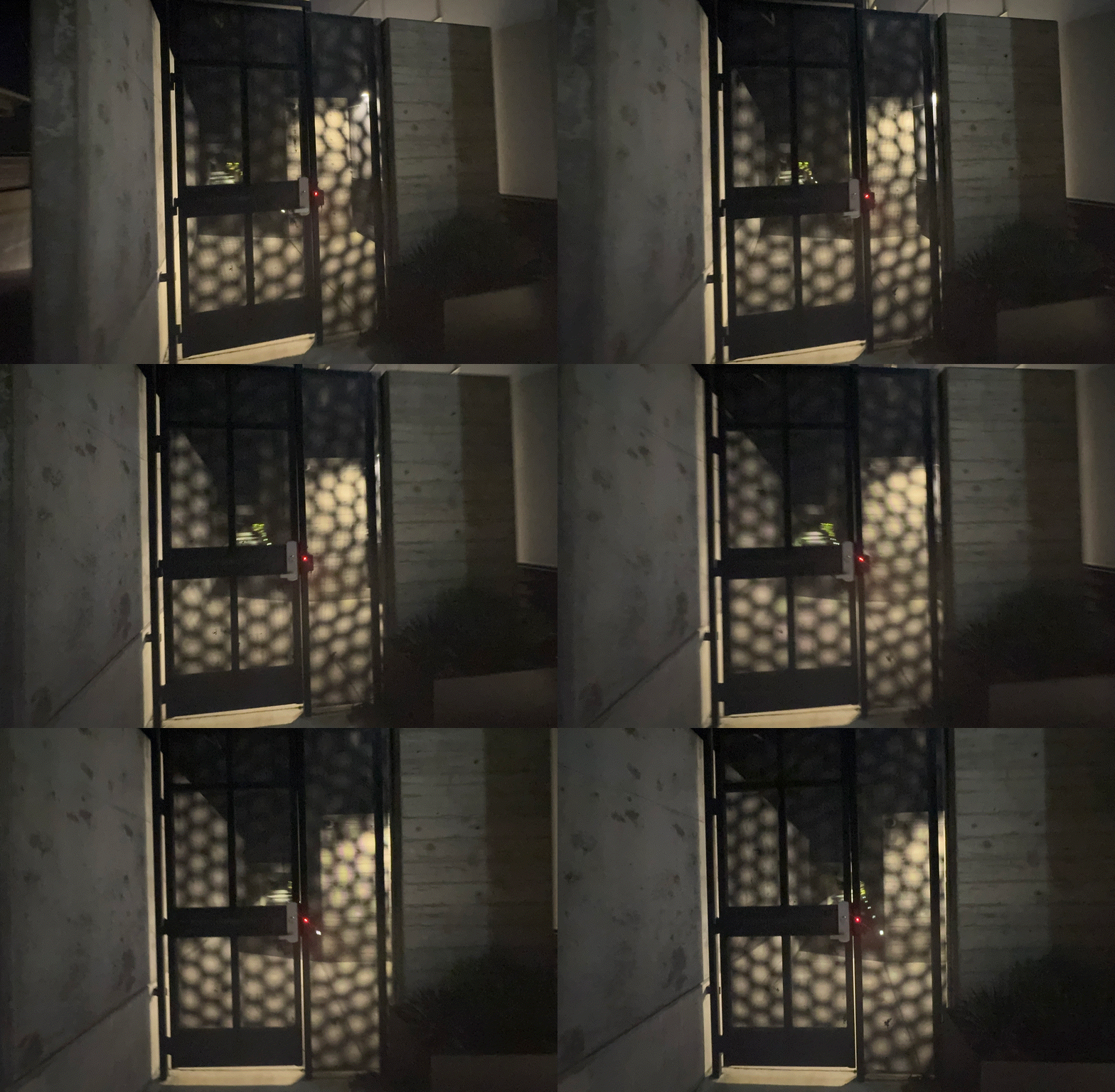
Something as simple as walking by a window with a screen can produce the effect. So many moiré effects are unexpected and fleeting. I recently saw a bus passing in front of a fence that created a dramatic effect. Some are burned into my memory from long ago, like driving past orchards with stark vertical trunks.
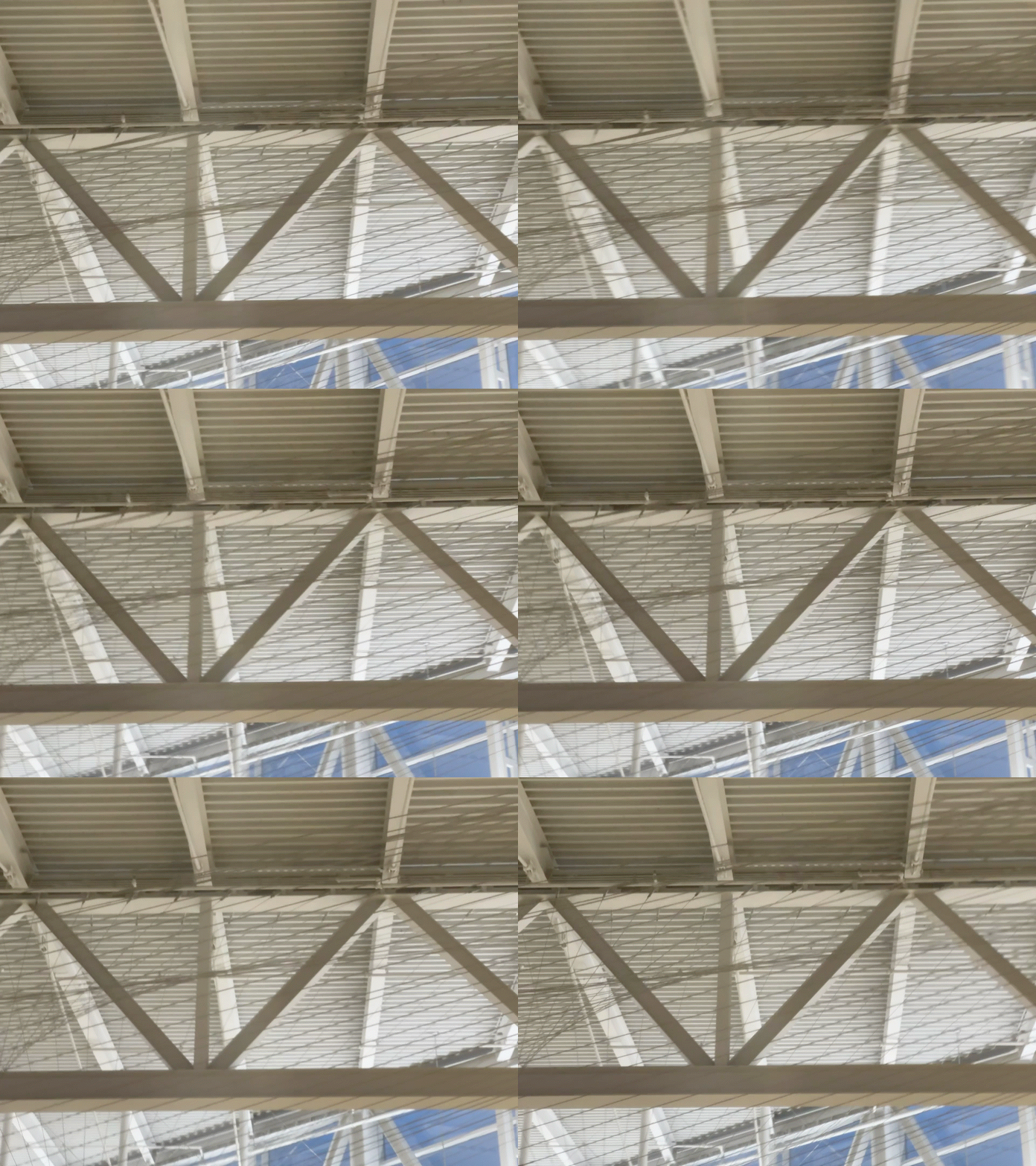
Before learning more about the moiré effect, I thought it was an optical illusion. But it isn’t. An optical illusion is something that occurs between the viewer’s eye and brain. The moiré effect is real. It actually exists in the pattern of light. That’s why it can be photographed.
Its optical qualities make it more like a shadow or a reflection. Just like shadows or reflections, moiré is all around us, haunting our computer screens and livening up our highways.
Have you seen this phenomenon?
Neat stuff! I’ve seen this so much but never gave it much thought. Now I understand why.
Is this also the phenomenon we see on a file where the wheels of a moving car appear to be turning backwards?
This is so darn cool! Reminds me to say Happy New Year to you and Brian. Reminds me to prioritize finding a few minutes for your fascinating posts.